Strength & Conditioning

At the clinic we use STAR GEOGHEGANS RIP Tool speed boards for our strength & conditioning classes


Star has developed the Rip tool (Recovery Injury Prevention) Speed Board to train the muscular and nervous system. If the central nervous system is fatigued, the strength and functionality of muscle groups will be negatively affected, and performance levels decrease.

The nervous system holds the key to your body’s power, balance, muscle movement and most of your sporting and working achievements. If the battery that fires the muscles is drained, you lose control, function and strength in movement, in all sport activity. This leads to bad habits/techniques being formed which leads to poor performance and injury.

Our resident strength & conditioning and RIP Tool coach DARREN BROWNE spent years learning the unique benefits of the RIP Tool speed boards under the watchful eye of founder of the RIP Tool company and one of the world leaders in injury and injury prevention Anthony ‘star’ Geoghegan, and has travelled around the world training some of the world’s top athletes in USA,JAMAICA, BRASIL, HOLLAND , UK , ZAMBIA, and has worked at 2016 RIO Olympics and the 2017 world athletics championship in London helping athletes keep in shape at these events.

Classes at clinic can be ono on one or in small groups so that everyone gets the attention they need & deserve, services at the clinic are :

  1. Strength & conditioning
  2. Circuit training
  3. Personal training
  4. Small groups
  5. Pilates
  6. Individual assessments

Holistic Massage

Holistic Massage therapy is one of the oldest methods of healthcare in practice today. It involves use of different manipulative techniques to move the body’s muscles and soft tissue.

Massage therapy aims to improve blood circulation, increasing the flow of nutrients and eliminating waste products to name but a few.

Massage is the recent name for the ancient-established art of healing by touch. Massage is calming and soothing. It improves our sense of well-being, and reduces the levels of cortisol – the body’s stress hormone.
It also strengthens the immune system by bringing more white blood cells into the circulation system, and this in turn helps to fight infection. It also improves joint mobility, releases muscle tension, helps eliminate toxins and assists in tension release.
Massage can reduce your heart rate, relax your muscles, improve range of motion in your joints and increase production of your body’s natural pain killers. It helps relieve stress and anxiety.

Cupping Therapy

Cupping therapy was first discussed in old medical textbooks in the Western World and was described as a medical practice that was used by Egyptians. There have also been accounts of Hippocrates using the Cupping Method for internal disease. Fire Cupping has also been practiced throughout Europe, Asia, and Africa. Cupping therapy is an alternative form of medicine and is perhaps better known as a traditional Chinese Medicine, like acupuncture.

Cupping used to be performed using hollowed out animal horns and was a method employed to treat boils, snakebites, and skin lesions. The cupping method was said to pull toxins from the body. The application of cupping throughout the years has evolved from the use of animal horns to bamboo cups, and then to the glass cups, we see used today. Therapy cups can also be made from earthenware and silicone materials that can withstand being exposed to elevated temperatures during the heating process.
Several other cultures used cupping therapy as a method to treat several different ailments. The Chinese have been reported to use cupping during surgical procedures to help divert the blood flow from the surgical site. American and European doctors have used cupping to treat more common ailments such as the common cold and chest infections and congestion.

Cupping therapy, also known as hijama therapy in some Arabic cultures, is a fascinating alternative form of medicine that has received mention in historical accounts dating from possibly 5,000 years ago. Chinese Cupping Therapy is often used in conjunction with more commonly known forms of traditional Chinese medicine treatments and methods such as acupuncture and acupressure.

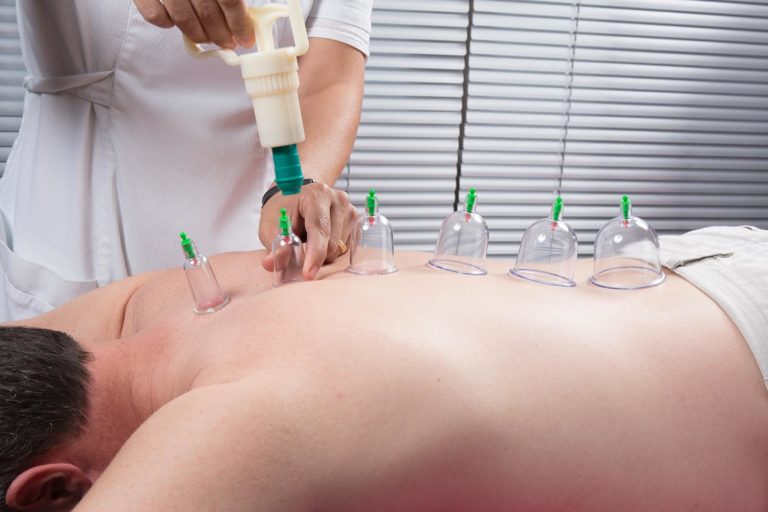
The basic idea behind cupping therapy is to place glass cups or silicone cups on the patient’s skin to create a vacuum, so the blood is drawn to the surface of the skin in specific parts of the body that need healing. Traditional Chinese practitioners discuss different areas, or meridians, of the body that are used to transfer energy. They believe each body has twelve different meridians and treatment can be applied to each meridian for a myriad of reasons.

Alternative medicine is defined as any form of medical treatment that is used in the place of traditional therapies or traditional and modern scientific medicine and practices. Alternative medicine claims to provide healing effects that other forms of medicinal therapy have not been proven to work. Alternative medicine is quickly growing in popularity to promote the same healing properties that can be found in traditional medicine but without the risk of same side effects


Wet Cupping

Wet cupping produces a milder suction or vacuum and can also be kept in place for up to three minutes like dry cupping therapy. However, during a wet cupping therapy session, the cupping therapist will make small cuts on the patient’s skin, typically by using a sterilized scalpel and then perform a second cupping session to draw out some of the blood. It can take up to ten days for the patient’s skin to return to normal after a wet cupping therapy session. It is important that the skin is cleaned before and after a wet cupping therapy session so that any risk of infection can be avoided.

In Arabic culture, wet cupping is also known as Hijama or medicinal bleeding. Wet cupping is popular in most Muslim areas of the world and has been reported to be used by the Islamic prophet, Muhammed.

In Chinese culture, the cupping methods are used to help improve respiratory ailments such as pneumonia and bronchitis, along with the common cold and other chest infections.
Wet cupping is a form of bloodletting and is used to remove stagnant blood, expel heat, and provide pain relief. It is imperative that the environment in which the wet cupping therapy is performed is clean and sterilized to prevent infection to the treatment sites.

Massage Cupping

During massage cupping, the alternative medicine practitioner can move the cups around and glide them across your skin, and it is recognized as a form of massage therapy. Massage Cupping has also been used for weight loss and cellulite reduction. Silicone therapy cups are more typically used for this form of cupping therapy because these therapy cups are softer and more flexible which makes it easier for the practitioner to glide them across the patient’s body.
In massage cupping therapy, the muscles are tended to with the application of pressure. Negative pressure is better to help with pain management than tissue compression. With the cupping therapy method, the skin, tissue, and muscles are instead pulled upwards to enhance circulation and provide pain management.
Massage cupping therapy also utilizes different oils so that the cup can glide easily across the back of the patient. Massage cupping is considered an alternative medicine to help with pain management and induces feelings of relaxation and stress relief to ease tension.


The Benefits of Cupping
 

Although modern medicine is still doubtful of the complete benefits of this therapy, scientists are increasingly conceding that in the hands of expert practitioners, it might help many patients suffering from many ailments.

Cupping therapy offers several advantages including aiding in promoting blood flow and increase blood circulation to muscles and tissue, supplies oxygen to cells, loosens knots, and can release and drain excess fluids and toxins.

Cupping therapy is based on the belief that using suction or vacuum on specific cupping points on a patient’s body can help remove obstructions in the natural energy pathways inside the body and thus cure ailments. (more on how cupping works).
Variations in the technique, such as wet cupping, in which the skin is pricked to eliminate a small amount of toxic blood and other harmful substances in the body can help prevent and treat illnesses. When combined with acupuncture, needles are first inserted into the skin over which cupping is administered and is most often followed by massage therapy.

In today’s times, there is a range of materials that can be used to craft the cups that therapists use to create suction. Ancient healers used available materials like hollowed out animal horns and bones, seashells, ceramic and bamboo, but healers today use medical standard silicone cups, rubber cups, and glass cups. The latter are most useful because they allow the therapist to watch the effect on the skin while performing the healing.

Cupping today is performed under sterile medical conditions making it quite safe. Most patients do not experience any major discomfort, but therapists might offer to provide local anaesthesia on the patient’s request. The equipment used is carefully sterilized under high pressure and temperature.
Later, the healer could perform basic massage or hydration on the cupping site to reduce the possibility of bruising. In cases where wet cupping must be administered, the therapist covers the area with antiseptic medication and appropriate bandaging to ensure speedy healing. These precautions reduce the chances of infections greatly.
By way of added precautions, therapists might also choose not to perform the healing on certain patients such as pregnant or menstruating women, patients that tend to experience high bleeding or patients with varicose veins.

There are several alternative forms of medicine today but cupping therapy is employed most often and is even an accepted method of therapy among many of the world’s athletes, including gymnastics teams and Olympian athletes. The Cupping therapy has been found to help treat certain pain associated with deep scar tissue and connective tissue in the muscles as well as muscle knots and swelling.

While Cupping therapy has gained notoriety among famous athletes such as Olympians and athletes in the National Football League, critics say that this method of therapy has no place in the world of modern medicine because there are only risks with no beneficial rewards.
No evidence suggests cupping is detrimental or beneficial to an individual. Some believe that cupping works as a placebo and just incites the feeling of well-being and healing, rather than aiding in fixing any problems or reducing the amount of pain one experiences. Currently, there is much research being done on the cupping therapy and the risks and benefits to an individual’s health and healing.


Cupping Therapy for Detoxification
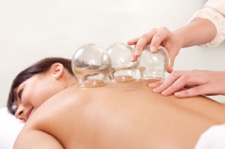
 

Detoxification is the process of removing toxic substances from the body. Cupping is a method that has been employed for centuries for this very reason.
Cupping combines the value of building up the bodies energy with the relief of ridding the body of its toxins.
Energy flows through the twelve meridians, and the blood flows in the capillaries under the skin. The cupping method works to move the toxins towards the surface of the skin and out of the body. Once the toxins have reached the surface of the skin, it is then believed that the healing process can begin.
Cupping is a non-invasive healing method that can aid in detoxifying a person’s body and improving their overall energy. It is also said to help promote better blood circulation.

Cupping therapy has also been used to treat several other conditions including blood disorders such as anaemia and haemophilia, rheumatic diseases such as arthritis, fertility and other gynaecological disorders, eczema, acne, high blood pressure, migraines, anxiety, depression, allergies, asthma, and varicose veins.


The Effects of Cupping

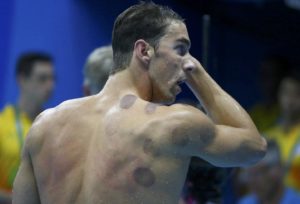
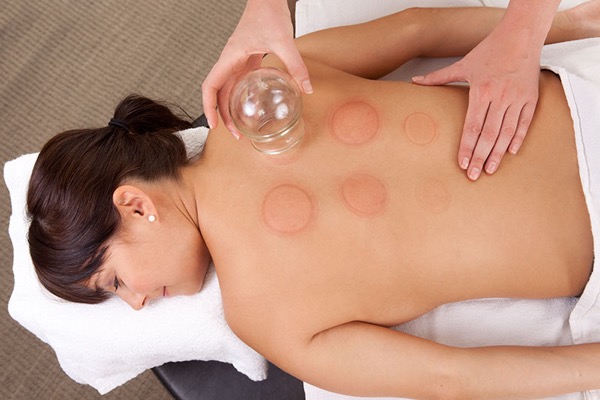
After employing the cupping method, it is common to find that small bruises or redness will remain on the treated areas of the body, most commonly the back. This is due to all the blood being forced to the surface of the skin. It is believed that if there is the presence of higher amount of toxins in an individual’s body, then the redness will be deeper and more noticeable. However, the fewer toxins present in the body, the individual will experience a reduced amount of visible effects from using the cupping method.
Other side effects due to the cupping method include mild discomfort, bruises, burns, and skin infections. Before beginning any therapy that involves cupping, it is highly advised that the patient speaks with a medical doctor or traditional Chinese medicine practitioner about the benefits and risk of side effects.
Cupping is a relatively safe procedure if it is performed by a trained health professional who is knowledgeable about this practice.


Considerations Before Choosing the Cupping Method

Several things should be considered before pursuing cupping therapy. While it is safe when practiced by a professional such as a licensed acupuncturist, the patient should still want to educate themselves on the risks associated with cupping as mentioned above. It is also advisable that the patient educates and familiarizes themselves with the entire process from start to finish.
Before any cupping therapy session, the patient will discuss with the practitioner any concerns they may have as well as why they are receiving the cupping therapy. They will ask about the type of pain the patient experiences and where it is located so that they can put the cups in the most beneficial areas to help relieve some of the pain that they may be experiencing.

The back is the most common area that is used for cupping therapy because the back has five meridian lines that provide perfect placement for the cups. Depending on the conditions and the reasons the patient is receiving cupping therapy, the alternative medicine practitioner will determine how many cups to use and how long to place each cup. The time for each cup can vary between five and ten minutes depending on the severity of the condition.

While cupping may produce several bruises, and swelling on the site area, it is relatively painless. The marks experienced after a cupping session can last anywhere from a few days to a couple of weeks. The bruises are not caused due to any form of blunt trauma. Therefore, they should not hurt.

When the cups are applied to the skin, the patient may experience a tight or pulling feeling because the skin is being drawn into the cup. If this pulling sensation causes any pain, then it is advised that the patient notifies the practitioner immediately so that the technique they are employing can be adjusted as needed to accommodate the patient and provide an increased level of comfort and induce relaxation during the session.

Cupping therapy is ideal for those that are looking to improve their flow of energy, encourage detoxification of the body, relieve pain, ease tense muscles, or encourage relaxation. However, if the potential patient is prone to bleed easily or they are pregnant, then it is not recommended or advised as an alternative form of therapy and treatment.


Other conditions that should be discussed prior to using cupping therapy include:

  • Anyone that is experiencing muscle spasms or have any bone fractures
  • If it is suspected that that patient has an ulcer or deep vein thrombosis
  • If the patient has a pulse that is easily felt by the practitioner
  • And if the patient is experiencing, or may be suspected of having any form of cancer, such as metastatic cancer, that has spread from one part of the body to another part of the body

The cupping method as a traditional Chinese medicine can be used alone or in combination with another alternative medicine such as acupuncture. The suction and negative pressure that occurs during a cupping therapy session are said to help encourage blood flow and help to sedate the nervous system.


Why Athletes Use this Alternative Medicine
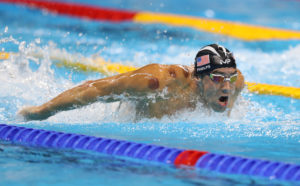


Many athletes are known to use the cupping method as an alternative medicine.

Some of these athletes include Michael Phelps and the USA Men’s Olympic gymnastics team, as well as some members of the USA Track and Field team.
It is a very common practice among athletes and is considered an effective treatment to increase motion and soothe sore and tired muscles. The increased blood flow to the treated areas helps to promote muscle healing. It is especially helpful when the patient is competing in a sport such as swimming, gymnastics, or track and field because they are constantly using these muscles. Increasing the blood flow will help loosen these muscles and improve the range of motion these athletes have.

Many athletes use other methods in combination with the cupping method such as manual therapy, sauna and steaming, and cold therapy compression. It is a way for these athletes to release the muscles and tendons that they are constantly using in their sport. It is also beneficial when combined with massage therapy and has been reported to help athletes considerably with their pain management during training and events.


Pseudoscience in Sports

Pseudoscience is typically the collection of practices that are mistaken to be based on a scientific method. The benefits associated with the cupping method have not been scientifically proven, but many people use pseudoscience as a more natural way to relieve their pain and a new and innovative way to relax.
While there is still research being done on the topic of the cupping method, several studies several studies suggest that it may be a viable option for pain relief or pain reduction. There, however, is still quite a bit of speculation on the effectiveness of any form of cupping therapy.

In conclusion, cupping therapy is a form of alternative medicine that is on the same level as acupuncture and phrenology. It is an alternative Chinese medicine that some people might find works well to help relieve their pain, while others believe it is a superstitious practice that produces nothing more than a placebo effect for the patient.
The cupping method is an alternative that will have to be researched to determine if it is something the individual wants to try it for themselves.

If the individual suffers from migraines, respiratory problems, high blood pressure, or any other similar symptoms and feels they have exhausted all scientifically proven assistance; then they should talk to their practitioner or a tradition Chinese medicine practitioner about cup therapy and see if they can benefit from positive results and a better pain management option.


Timeline for Results

When a patient begins to receive cupping therapy, the first few sessions may be more intense than those that follow. An individual’s body will need time to adjust to the new treatment, and as the treatments continue, the discomfort will become less, and the bruises and swelling will be less noticeable.
After a few repeated cupping therapy sessions, the patient can begin to experience feeling the need for sleep or may experience an inability to fall asleep. There may be instances of heightened smells, emotional release, and muscle soreness. The muscle soreness may mimic the effects an individual might experience after a strenuous workout. These effects will lessen as the treatments continue and will vary from person to person.

After the first cupping therapy session, the patient should experience a marked improvement in their pain levels or congestion. The symptoms they were treated for will become less and less as time goes on and the cupping therapy treatments are continued. Joint stiffness will see a noticeable improvement, and there may be improved hormone production. The muscles will begin to stretch and loosen, and inflammation should be relieved as the stagnant blood and toxins are released from the body.
The cupping therapy will begin to strengthen the patient’s immune system and facilitate the movement of Qi and blood within the body. The patient will experience an overall good feeling of health and energy beginning of the first treatment and will become more noticeable as the toxins continue to be removed from the body and the cupping therapy sessions continue.

The continuity and schedule of cupping therapy sessions should be discussed with the practitioner or cupping therapist to determine the length of time and number of treatments that will be needed to achieve the desired results. It is better if cupping therapy is performed in multiple sessions over a longer period.

Cupping therapy is safe to do on a weekly basis but as the treatments continue, the frequency of the visits can be reduced since the toxin levels in the patient’s body should be relatively low. Cupping therapy sessions can usually be scheduled weekly or monthly depending on the individual situation and concerns of the patient.

Most practitioners will wait to perform another cupping therapy session until they see that the red marks left from the previous session are almost gone entirely so that there will be no further inflammation of the skin. It is always best to let any bruises or muscle soreness heal before another session so that the level of discomfort can be reduced.
The time spent at each traditional Chinese medicine session can also be discussed. The times will vary depending on the ailments or treatments the patient is seeking. The therapy cups can be placed on the skin between three and twenty minutes at a time, with care shown not to leave them on too long to cause burning or irritation to the skin.

Cupping therapy is a suitable and affordable option if the patient is looking for a relatively pain-free and more natural approach to pain management and relaxation.

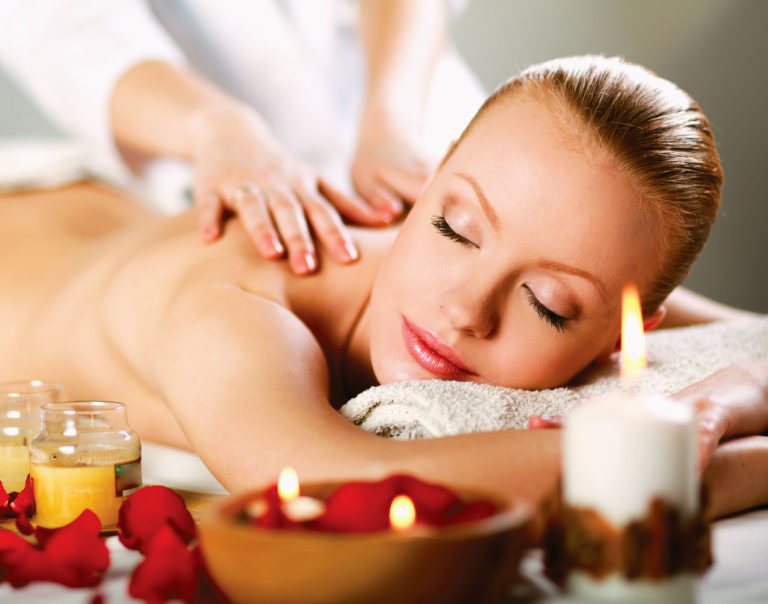
Sport injuries & Massage

Sports and Deep tissue massage at DB fitness & injury clinic is not just for the elite athlete but may be beneficial for everyone.

This type of massage is designed to focus on the deeper layers of the muscle tissue. It aims to release the chronic patterns of tension in the body through slow strokes and deep finger pressure on the contracted areas.

Sports and Deep Tissue Massage is beneficial for:

  • areas of the body that have been overworked through sporting or occupational activities
  • chronic tight tissues due to sustained incorrect postures
  • injury rehabilitation, strains and tears of muscles due to exercise or sport
  • fatigue or lactic acid building up in muscles
  • chronic muscular pain
  • pre-race preparation or post competition recovery

At DB fitness & injury clinic we have therapists and Pilates instructors who are experts in musculoskeletal injuries and conditions.


Our aim is to get you fit and back to the sport you love with the minimum time out of the game.

At Total Physio we love to treat everyone who wishes to be active, so much so that we offer very competitive club rates to members of teams, clubs and societies who place their trust in us. If you are interested in availing of this, please call us now to register!

We treat weekend warriors, golfers of all shapes and standards, tennis players, rugby guys and gals, runners…. lots of runners……triathletes, softballers, boot campers and even the hardcore Ironman competitors. Whatever your sport, whatever level you play at, you can be sure that you will get the most appropriate and up to date treatment for your injury in the hands of our expert team.

Sports injuries fall into two categories, those of traumatic origin or overuse injuries, all of which happen during participation in sport. Common traumatic sports injuries include ankle sprains, knee ligaments sprains, cartilage tears, muscle tears, joint dislocations and fractures of the bone.
We all know that after a tough session you might feel sore the day after (and even the day after that). However, this delayed onset muscle soreness (DOMS) resolves fully after 2-3 days. If you have a niggle that does not resolve within this time frame, you may be developing an overuse injury. Common overuse sports injuries include tendinitis, shin pain, muscle strains, IT band syndrome and knee pain.

All our Chartered Physiotherapists have worked with sports teams, both in the clinic setting and pitch-side, and are very experienced in accurate diagnosis and rehabilitation.
We understand that when you have a sports injury, it’s a very personal thing. We assure you that we will do everything we can to help you play that important final, get through that long-awaited marathon or get to the 18th hole.


With our case management approach to all our patients, if there are any queries during your massage, they will be available to answer all your questions.
If you would like further information on Sports and Deep Tissue Massage, then please call DB fitness & injury clinic.

Dry Needling with Electro-stimulant

What is electro-stimulation?

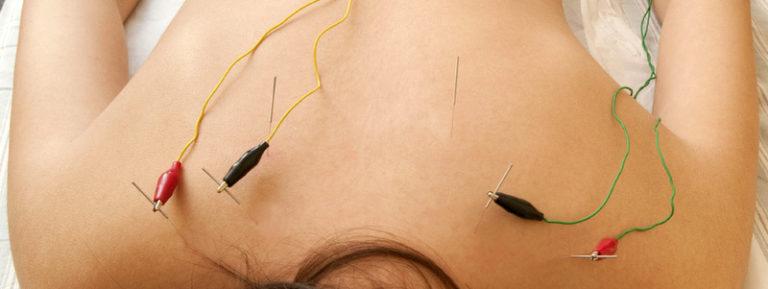
Electro-stimulation (ES) is a treatment like dry needling or acupuncture where fine needles are placed in the affected tissue and are connected via cables to a small electro-stimulation unit. It can be used to treat acute and chronic musculoskeletal conditions including:

  • Soft tissue: spasm, strains, cramping, trigger points, tightness
  • Joint pathologies: sprains, arthritis, joint stiffness, disc pathologies
  • Nerve damage: neuropathy and radiculopathy
  • Pain


How does it work?

Electro-Stimulation improves the circulation of natural analgesics (endorphins and opioids) to reduce pain. Blood circulation is also stimulated, promoting the delivery of nutrients to tissue, speeding up the healing processes.

Low frequency/high intensity Electro-Stimulation produces long term pain relief building up over several hours post treatment.
High frequency/low intensity Electro-Stimulation produces fast acting, short term pain relief by blocking nerve pathways and preventing pain messages from travelling to the brain.

In the treatment of chronic musculoskeletal conditions, long term benefits can be gained by producing visible twitching. In acute conditions or where nerve damage is present, stimulation is purely sensory (i.e. visible twitching is not necessary to produce change).


Patient experience

Patient responses depend on the frequency, intensity and mode of delivery. Patients may experience twitching, contractions, numbness, tingling and/or warmth in the local region. Patients may also experience a deep sense of relaxation. Pain is not expected as part of the experience.


Why choose electro-stimulation over regular dry needling ?

  • Electro-Stimulation results are more rapid & longer lasting.
  • Electro-Stimulation is readily controlled, standardized and objectively measured.
  • Electro-Stimulation allows stronger, more continuous stimulation than Dry Needling or Acupuncture and produces less tissue damage.


Role of frequency

Frequency refers to the number of pulses delivered per second measured in Hertz (Hz). It is the most important of the three variables (frequency, intensity and mode of delivery) because the neuro-physiological responses are frequency dependent. Low frequency (10 Hz) stimulation targets motor fibers, while high frequency (80-100 Hz) stimulation targets sensory fibers.


How is electro-stimulation performed?

Electro-Stimulation is implemented as part of a Remedial Massage, Osteopathy or Traditional Chinese Medicine treatment, which may also include other forms of soft tissue and manual therapy. Fine needles are placed in the affected tissue and are connected via cables to a small electro-stimulation unit. The Electro-Stimulation treatment last about 10-15 minutes. You will be free to go about your usual activities post treatment.


Reasons to avoid electro-stimulation (contraindications)

  • Pregnancy
  • Pace Maker
  • Heart Conditions


Is it safe?

The side effects are few when performed by a qualified therapist. You may experience some bruising or redness around the insertion point or some aching in the muscle like other Osteopathic technique responses. Your practitioner will discuss with you if they feel that Electro-Stimulation via Dry Needling will be of benefit to you.

It is important to understand:

  • You are under no obligation to agree to Electro-Stimulation. It is your choice whether you wish to use this treatment
  • There is no additional cost for this treatment.
  • You can stop the procedure at any time.
  • All Irish hygiene protocols are followed strictly. No needles are ever shared, and all needles used are new.


If you would like further information on Electro-Stimulation via Dry Needling or if you wish to book an appointment, then please call DB fitness & injury clinic.

Dry Needling

What is dry needling and acupuncture?

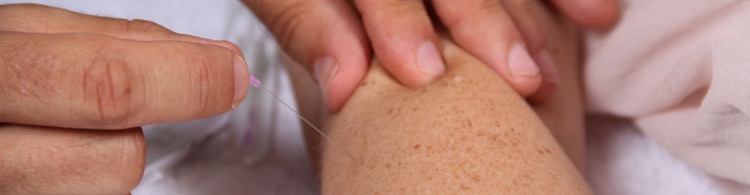
Dry Needling and Acupuncture use fine filament needles to directly stimulate specific trigger points in muscles. This increases muscle relaxation and resets muscles. Dry Needling or acupuncture may be used by your Osteopath, Remedial Massage or Traditional Chinese Medicine practitioner to assist in achieving better results during your treatment.

How is it performed?

Fine (sterile / single use) needles are tapped virtually painlessly into the skin, sometimes through a plastic tube. The needles may be left in the muscle for a few seconds or up to several minutes. After insertion the needles may be stimulated – either twisting manually or using electrical stimulation – and a feeling of heaviness, numbness or tingling may be felt in that area.
Extensive research has shown that stimulation of very fine nerve endings provides both a local pain blocking effect and changes in blood chemistry due to the release of pain relieving hormones from the brain. This reduces pain, may help improve healing, and has a local relaxation effect.


WHAT IS NEEDLING USED FOR?

Dry Needing and Acupuncture can be used for almost all muscular conditions. They are especially beneficial for painful musculoskeletal conditions including migraine, neck and back pain, arthritis, fibromyalgia and many other nonspecific pain syndromes. They may be used in conjunction with other Osteopathic techniques, Remedial Massage and exercise programs. It is generally safe to use alongside prescribed medications. There are no age limits for this treatment. Listed treatments are:

  • Headaches
  • Frozen shoulder
  • Tennis elbow
  • Carpal tunnel syndrome
  • Golfers elbow
  • Glute pain
  • Hamstring strains
  • Shin splints
  • Muscle spasms
  • Sciatic pain
  • Hip pain
  • Knee pain
  • Repetitive strain injuries


Dry needling VS acupuncture – What is the difference?

The difference in these two modalities is primarily defined by the Western vs Eastern medicine philosophies.
Dry needling is used in a variety of different ways, with the aim to return a muscle to its natural integrity by inserting the needle into trigger points found within the affected muscle. This may help relieve pain symptoms, improve joint range of motion and muscle flexibility.
Acupuncture is an ancient practice performed by Traditional Chinese Medicine (TCM) practitioners. Utilizing oriental medical principles, Acupuncture aims to balance the chi or energy pathways within the body. This is achieved by inserting the needles in the appropriate meridian channels, also known as our energy pathways. Acupuncture is effective in the treatment of a wide and diverse range of conditions including allergies, infertility, chronic fatigue and insomnia.

Is it safe?

The side effects are few when performed by a qualified therapist. You may experience some bruising or redness around the insertion point or some aching in the muscle like other Osteopathic technique responses. Your practitioner will discuss whether they feel Dry Needling will be of benefit to you.
It is important to understand:

  • You are under no obligation to agree to Dry Needling or Acupuncture. It is your choice whether you wish to use this treatment.
  • There is no additional cost for this treatment.
  • You can stop the procedure at any time.
  • All Australian hygiene protocols are followed strictly. No needles are ever shared, and all needles used are new.


It is recommended that pregnant woman in their first trimester do not have Dry Needling or Acupuncture treatments. This is because it is generally agreed that women in their first trimester have more sensitive bodies, which could react unfavorably in some circumstances. Please let your practitioner know if you are pregnant.

Ultrasound Therapy

A common misconception with physiotherapy treatments is that they are limited to massage techniques and stretching prescription. This is of course not true, as the modern methods which our physiotherapy team use utilise technology. One such method used, is that of Ultrasound therapy. Here are answers to some frequently asked questions about ultrasound therapy.


What is Ultrasound Therapy?

Ultrasound therapy is an electrotherapy which has been used in physiotherapy practices for many years. It is mainly used for its non-thermal effect where high frequency sound waves cause vibrations and movement of cellular fluids.
Proposed benefits of ultrasound therapy include improving the healing rate of certain soft tissues.
It is thought to:

  • Increase blood flow to an area to accelerate the resolution time of the inflammatory process.
  • Stimulate the production of collagen (the main protein in tendons and ligaments) during tissue healing.


Common Injuries Treated with Ultrasound

  • Bursitis
  • Tendonitis
  • Muscle Strain and tears
  • Osteoarthritis
  • Ligament and tendon injuries


What to Expect

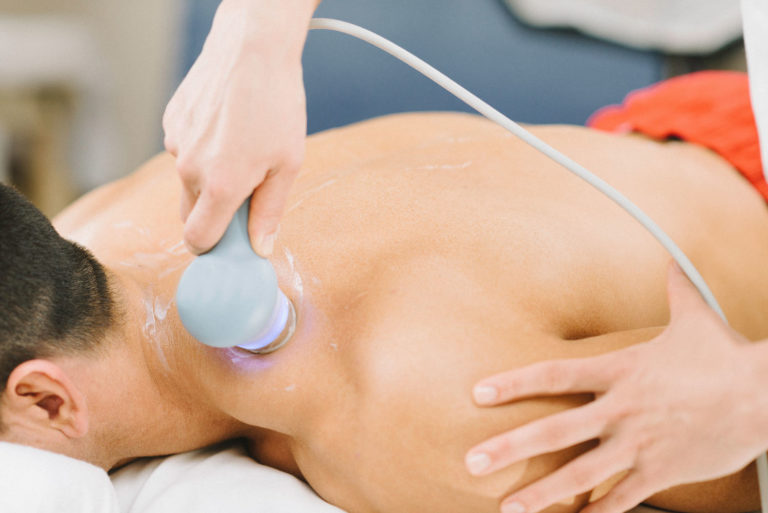
A small amount of gel will be applied to the body part to be treated. A transducer (sound head) which is attached to the ultrasound machine will be placed onto the gel and moved in small circles by the physiotherapist. The physiotherapist will set the machine to deliver the appropriate depth and intensity of sound wave required.
You will most likely not feel anything happening throughout the ultrasound treatment. If you do experience discomfort or pain let your physiotherapist know immediately.


How Safe is It?

Ultrasound therapy is a safe and innocuous treatment technique. However, there are situations when ultrasound therapy is not appropriate. Your qualified physiotherapist will ensure that it is an appropriate technique for you and discuss it with you. Certain examples where it would not be used are; over body parts with cancer, in pregnant women and in children.

Does It Work?

Studies have shown that ultrasound therapy can improve symptoms and healing in various soft tissue conditions, but the quality of the evidence is often poor. Most recent studies have shown that ultrasound therapy has a high likelihood of a placebo effect and that long-term benefits are minimal.
Due to the lack of substantial evidence for significant benefits ultrasound may be used in conjunction with other more research-supported manual hands-on techniques (based on our physiotherapists assessment of you). Our physiotherapists will decide based on the injury or condition that you are encountering. If you will benefit from ultrasound therapy.

Ackerman Chiropractic Alignment

What is Chiropractic?

Chiropractic is a primary health-care profession, specializing in the diagnosis, treatment and management of musculoskeletal conditions (problems with the joints, ligaments, tendons and muscles). Although chiropractors are best known for treating back and neck pain, which they do very well, a chiropractor is trained and qualified to assess and treat all the joints of the body, not only those relating to the spine. Chiropractic care is concerned with the assessment and correction of abnormal joint movement and position.

Many people are looking for a more natural approach to their healthcare. Chiropractic uses no drugs or surgery and is extremely safe. Published research is now validating the positive results that chiropractic patients have experienced over the last 100 years. Chiropractic is a highly cost-effective health strategy for both patients and third-party payers.

At an appointment, after thorough medical history and exam the practitioners’ findings will be explained to you and the treatment options given. Treatment at the Chiropractor is case dependent i.e. tailored to the individual and may involve a range of techniques. These include:

Specific Joint Manipulation, Joint Mobilization, Medical Acupuncture / Dry Needling, Neuromuscular Therapy, Activator, Massage, Exercise and Kinesiology Taping

Each patient is an individual, and the application of any treatment is decided upon on this basis. This is consistent with all aspects of your care. The options will be discussed with you by your Chiropractor.

Chiropractic treatment identifies and corrects misalignments of the bones of the spine and joints of the extremities. These misalignments can disrupt the nervous system and reduce range of motion – resulting in pain, numbness, tingling, and reduced function of the tissues served by the affected nerves. Through hands-on chiropractic manipulation, joints are freed – allowing them to return to their proper alignment.

What happens when joints and vertebrae are out of alignment?

First, we must understand that all the joints in the body – including vertebrae – must be aligned properly to absorb shock. This allows impact forces to dissipate into the ground and decreases wear and tear on the body.

An example from everyday life: If you got into an automobile accident and your car got banged up, what would happen if you didn’t correct its alignment? Well, there would be the costly expense of repeatedly and prematurely replacing tires, for one thing. You wouldn’t dream of NOT fixing your car’s alignment. Does your body deserve any less?

The muscles surrounding a joint must have optimal amounts of tension in all directions to hold the joint in its place. If the muscles are not balanced, the joint position is altered, and the mechanics of the joint are disrupted. This leads to excess wear and tear on the joint.

If the joint is not moving properly due to poor muscle balance, then assisting muscles (synergists) must do extra work to help stabilize the joint. Over time, the synergists that continue to be overloaded will become ischemic and constricted, and may develop chronic, painful trigger points. This means that the muscles will suffer from a lack of blood flow and eventually lose the ability to completely clear waste products from the tissue. The result – pain, dysfunction, and overall, decreased performance.

What does chiropractic adjustment do?

When the joints or vertebrae are out of proper alignment – whether due to trauma, injury, or repetitive motion – mechanical irritation results. This, in turn, prompts chemical irritants to be released from those tissues that have been injured. These chemical irritants cause reflex muscle spasms, loss of joint motion, nerve irritation, vasoconstriction, and pain – all of which promote the development of pathological changes in the structures of the joints or spine. These changes can be in the form of scarring in the soft tissues and/or degeneration in the bones and joints, a condition known as osteoarthritis.

Chiropractic adjustment serves to restore joint motion and re-establish nerve function – resulting in reduced mechanical and chemical irritation. Thus, as the adjustment returns normal motion to the joints or spine, it also reduces muscle spasms, improves coordination, and inhibits pain.

How is chiropractic integrated into the Soft Tissue Solutions practice?

At Soft Tissue Solutions, we use chiropractic as a complementary therapy – part of a comprehensive treatment program, incorporating a variety of soft tissue techniques, individualized to meet the needs of each patient.

Chiropractic adjustments release joints, so they can resume correct alignment. However, this successful return won’t happen if the supporting muscles, tendons, ligaments, and nerves are bound up and unable to function as designed.

By combining chiropractic with treatments such as Active Release Techniques (ART), Sound-Assisted Soft Tissue Mobilization (SASTM), and Shockwave Therapy, we achieve a complete solution – returning the patient to optimum function.

What is a chiropractic adjustment like?

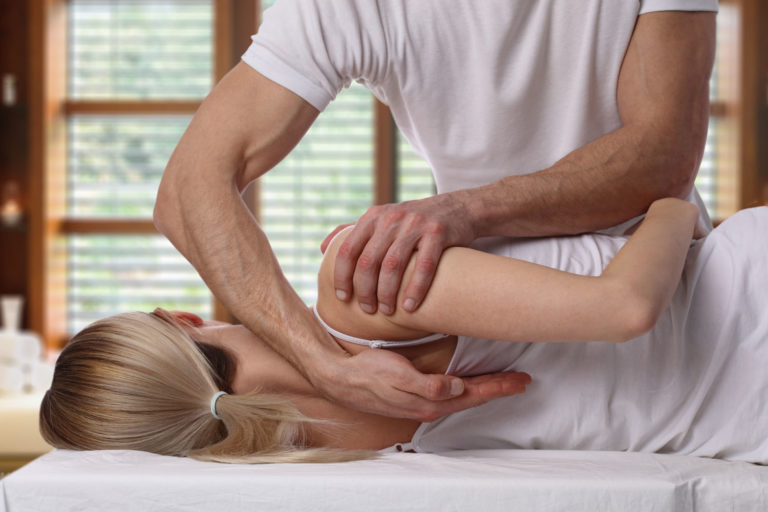
During an adjustment, the doctor applies precisely directed pressure – by hand – to release the affected joint. Once released, the bones of the joint are free to return to their proper positions.

Chiropractors are trained to use minimal force and gentle, controlled pressure. As a result, patients should feel no pain during the adjustment. And, typically, any slight discomfort that may be perceived is caused by the patient’s own tension in resisting the adjustment.

The popping sounds that may be heard during an adjustment are perfectly normal – simply gas rushing in to fill the vacuum created when the joints are released.

What are some of the benefits?

Chiropractic treatment offers many benefits, including:

  • Pain relief
  • Increased mobility and range of motion
  • Enhanced joint health
  • Reduced risk of degenerative injury
  • Improved nerve function
  • Support for soft tissue healing

What conditions can be treated?

Chiropractic can be used to successfully treat the following conditions and more.

  • Neck and low back pain
  • Headaches
  • Stress
  • Low energy
  • Shoulder and arm pain
  • Carpal tunnel syndrome
  • Leg pain (sciatica)
  • Arthritis pain (joint stiffness)
  • Work or sports injury
  • Numbness and tingling in the arms or legs


MSK Ultrasound Scanner

Ultrasound imaging uses sound waves to produce pictures of muscles, tendons, ligaments and joints throughout the body. It is used to help diagnose sprains, strains, tears, and other soft tissue conditions. Ultrasound is safe, non-invasive, and does not use ionizing radiation.
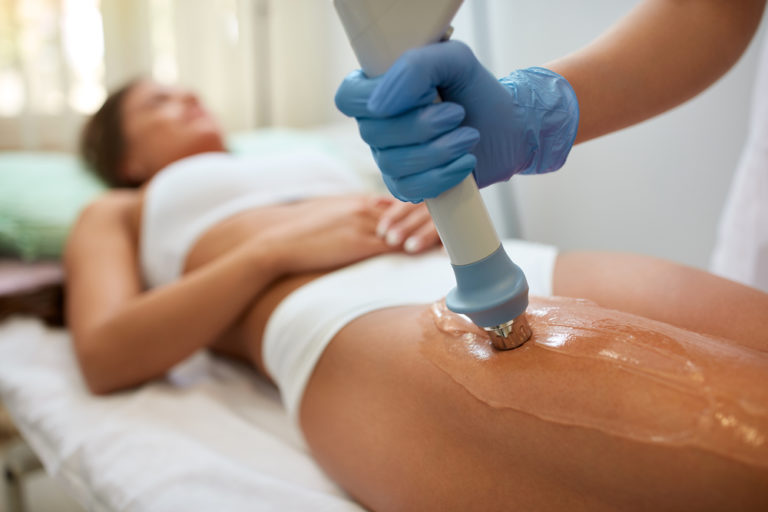
This procedure requires little to no special preparation. Leave jewellery at home and wear loose, comfortable clothing. You may be asked to wear a gown.

What is Ultrasound Imaging of the Musculoskeletal System?

Ultrasound is safe and painless, and produces pictures of the inside of the body using sound waves. Ultrasound imaging, also called ultrasound scanning or sonography, involves the use of a small transducer (probe) and ultrasound gel placed directly on the skin. High-frequency sound waves are transmitted from the probe through the gel into the body. The transducer collects the sounds that bounce back and a computer then uses those sound waves to create an image. Ultrasound examinations do not use ionizing radiation (as used in x-rays), thus there is no radiation exposure to the patient. Because ultrasound images are captured in real-time, they can show the structure and movement of the body’s internal organs, as well as blood flowing through blood vessels.

Ultrasound imaging is a non-invasive medical test that helps physicians diagnose and treat medical conditions.

Ultrasound images of the musculoskeletal system provide pictures of muscles, tendons, ligaments, joints, and soft tissues throughout the body.

What are some common uses of the procedure?

Ultrasound images are typically used to help diagnose:

  • Tendon tears, or tendinitis of the rotator cuff in the shoulder, Achilles tendon in the ankle and other tendons throughout the body.
  • Muscle tears, masses or fluid collections.
  • Ligament sprains or tears.
  • Inflammation or fluid (effusions) within the bursae and joints.
  • Early changes of rheumatoid arthritis.
  • Nerve entrapments such as carpal tunnel syndrome.
  • Benign and malignant soft tissue tumours.
  • Ganglion cysts.
  • Hernias.
  • Foreign bodies in the soft tissues (such as splinters or glass).
  • Dislocations of the hip in infants.
  • fluid in a painful hip joint in children.
  • neck muscle abnormalities in infants with torticollis (neck twisting).
  • soft tissue masses (lumps/bumps) in children.

How should I prepare?

You should wear comfortable, loose-fitting clothing for your ultrasound exam. You may need to remove all clothing and jewellery in the area to be examined.You may be asked to wear a gown during the procedure.

Ultrasound examinations are very sensitive to motion, and an active or crying child can prolong the examination process. To ensure a smooth experience, it often helps to explain the procedure to the child prior to the exam. Bringing books, small toys, music or games can help to distract the child and make the time pass quickly. The ultrasound exam room may have a television. Feel free to ask for your child’s favourite channel.

No other preparation is required.

What does the equipment look like?

Ultrasound scanners consist of a console containing some computer and electronics, a video display screen and a transducer that is used to do the scanning. The transducer is a small hand-held device that resembles a microphone, attached to the scanner by a cord. Some exams may use different transducers (with different capabilities) during a single exam. The transducer sends out high-frequency sound waves (that the human ear cannot hear) into the body and then listens for the returning echoes from the tissues in the body. The principles are like sonar used by boats and submarines.

The ultrasound image is immediately visible on a video display screen that looks like a computer or television monitor. The image is created based on the amplitude (loudness), frequency (pitch) and time it takes for the ultrasound signal to return from the area within the patient that is being examined to the transducer (the device placed on the patient’s skin to send and receive the returning sound waves), as well as the type of body structure and composition of body tissue through which the sound travels. A small amount of gel is put on the skin to allow the sound waves to travel from the transducer to the examined area within the body and then back again. Ultrasound is an excellent modality for some areas of the body while other areas, especially air-filled lungs, are poorly suited for ultrasound.

How does the procedure work?

Ultrasound imaging is based on the same principles involved in the sonar used by bats, ships and fishermen. When a sound wave strikes an object, it bounces back, or echoes. By measuring these echo waves, it is possible to determine how far away the object is as well as the object’s size, shape and consistency (whether the object is solid or filled with fluid).

In medicine, ultrasound is used to detect changes in appearance, size or contour of organs, tissues, and vessels or to detect abnormal masses, such as tumours.

In an ultrasound examination, a transducer both sends the sound waves into the body and receives the echoing waves. When the transducer is pressed against the skin, it directs small pulses of inaudible, high-frequency sound waves into the body. As the sound waves bounce off internal organs, fluids and tissues, the sensitive receiver in the transducer records tiny changes in the sound’s pitch and direction. These signature waves are instantly measured and displayed by a computer, which in turn creates a real-time picture on the monitor. One or more frames of the moving pictures are typically captured as still images. Short video loops of the images may also be saved.

How is the procedure performed?

For certain ultrasound examinations of the musculoskeletal system, the patient may be seated on an examination table or a swivel chair. For other ultrasound exams, the patient is positioned lying face-up or face-down on an examination table. The radiologist or sonographer may ask you to move the extremity being examined or may move it for you to evaluate the anatomy and function of the joint, muscle, ligament or tendon.

Most ultrasound studies of infants and children are performed with the child lying on his or her back on the examination table, but other positions may be required.

After you are positioned on the examination table, the radiologist (a physician specifically trained to supervise and interpret radiology examinations) or sonographer will apply a warm water-based gel to the area of the body being studied. The gel will help the transducer make secure contact with the body and eliminate air pockets between the transducer and the skin that can block the sound waves from passing into your body. The transducer is placed on the body and moved back and forth over the area of interest until the desired images are captured.

There is usually no discomfort from pressure as the transducer is pressed against the area being examined. However, if scanning is performed over an area of tenderness, you may feel pressure or minor pain from the transducer.

Once the imaging is complete, the clear ultrasound gel will be wiped off your skin. Any portions that are not wiped off will dry quickly. The ultrasound gel does not usually stain or discolour clothing.

What will I experience during and after the procedure?

Ultrasound examinations are painless and easily tolerated by most patients.

Musculoskeletal ultrasound examination is usually completed within 15 to 30 minutes but may occasionally take longer.

When the examination is complete, you may be asked to dress and wait while the ultrasound images are reviewed.

After an ultrasound examination, you should be able to resume your normal activities immediately.

K-Laser

Benefits of K-Laser Therapy

Class IV K-Laser Therapy is an FDA cleared therapeutic treatment that manages pain and inflammation while accelerating tissue regeneration. Laser energy increases circulation, drawing water, oxygen, and nutrients to the damaged area. This creates an optimal healing environment that reduces inflammation, swelling, muscle spasm, stiffness and pain.

Studies show Laser Therapy helps reduce pain associated with these common medical Drug Free, Surgery Free, Pain Free

K-Laser Class IV therapeutic lasers deliver specific red and near-infrared wavelengths of laser light to induce a photochemical reaction and therapeutic effect. ​ Physiological effects include increased circulation, reduced inflammation, pain reduction and enhanced tissue healing. Laser therapy has been used in Europe since the 1970s​ and was cleared by the United States Food and Drug Administration (FDA) in 2005.

Studies show Laser Therapy helps reduce pain associated with these common medical conditions:

Extracorporeal Shockwave Therapy

Extracorporeal shockwave therapy is used to treat a growing number of tendon, joint and muscle conditions. These include tennis elbow, where results in double blind studies are reported as excellent; chronic tendinitis of the knee and shoulder rotator cuff pain, Achilles tendinitis, hamstring tendinitis and plantar fasciitis and heel spurs have also been treated successfully.

The above conditions are often difficult to treat using other methods and can become chronic. With ESWT patients report reduced pain and faster healing, without significant adverse side effects. However, the treatment has proven challenging to verify categorically in large controlled studies, in part because the therapist and patient are aware whether they are in the treatment cohort or the sham cohort [citation needed]. ESWT is also used to promote bone healing and treat bone necrosis. It is an effective alternative to surgical treatment of non-healing fractures.

ESWT is used for wound healing and has shown positive results in short-term and long-term outcomes in diabetic patients suffering from foot ulcers.

Chest pains associated with heart disease, known as angina have been treated successfully with ESWT. Studies have shown that the shockwaves promote the growth of new blood vessels or revascularization.

Since 2010 shockwaves have been used in urology, to treat chronic pelvic pain syndrome and erectile dysfunction. Unlike drugs, ESWT is non-invasive, does not have side effects, and promotes long-term healing. There are a growing number of double blind sham controlled studies that show success rates of up to 80%.


We are delighted to announce that we now have shock wave therapy available at the clinic.

This is a new, non-operative treatment for chronic pain conditions, including calcifying tendonitis of the shoulder, tennis and golfer’s elbow, heel spurs etc…


It is particularly useful in the treatment of chronic musculoskeletal conditions in patients who do not wish to have, or are not suitable for injection therapy.

The treatment involves sending shockwaves through your skin to influence the affected tissue beneath.
Shockwave (ECST) provides the following benefits:

  • Mechanical stimulation
  • Increased local blood flow
  • Increase in cellular activity
  • Transient analgesic effect on afferent nerves
  • Break down calcific deposits (primarily, but not exclusively in tendon


One of the strongest arguments for the use of shockwave in therapy is that it effectively takes a tissue from a more chronic to a more acute state, and in doing so, provides a stimulus (trigger) to a ‘stalled’ repair sequence (Watson 2012).
The main body of evidence supporting this treatment covers:

  • Plantar fasciitis
  • Planter Fasititis
  • Heel spurs
  • Achilles tendinopathy
  • Patellar tendonipathy
  • Tennis and Golfers elbow (medial and lateral epicondylalgia)
  • Biceps tendinopathy
  • Supraspinatus tendinopathy
  • Trochanteric bursitis

There are certain conditions where Radial Pulse Wave Shockwave is not appropriate. You can discuss your medical history at your initial assessement.

For further information and/or to make an appointment, please contact us today.